
For yacht owners planning a passage from New Zealand to Fiji, May is often misunderstood. It sits between seasons, which tempts people into thinking it is either “early trades” or “late cyclone season.” In reality, May is neither. It is a month dominated by migrating low-pressure systems, and success on this route depends almost entirely on how those systems are used.
For professional delivery crews, the core principle is consistent: the safest and most efficient time to depart is on the back of a low-pressure system, once the wind has swung southwest and the pressure is rising. Everything else is secondary.
The weather theory only works if the vessel can exploit it. Most May deliveries on this route involve yachts over 45 feet, typically production monohulls or cruising catamarans that are heavily provisioned and loaded for an offshore leg.
That loading matters. A yacht that is slow, underpowered, or poorly balanced narrows the usable window and increases exposure time to unstable conditions.
In May, you are not aiming for heroic daily runs. You are aiming for steady average speed, predictable motion, and systems reliability during the first few days when the Southern Ocean still influences sea state. Autopilots, reefing systems, steering gear, and fuel management all matter more than raw sail area.
A well-prepared yacht gives you options. A marginal one forces compromises.
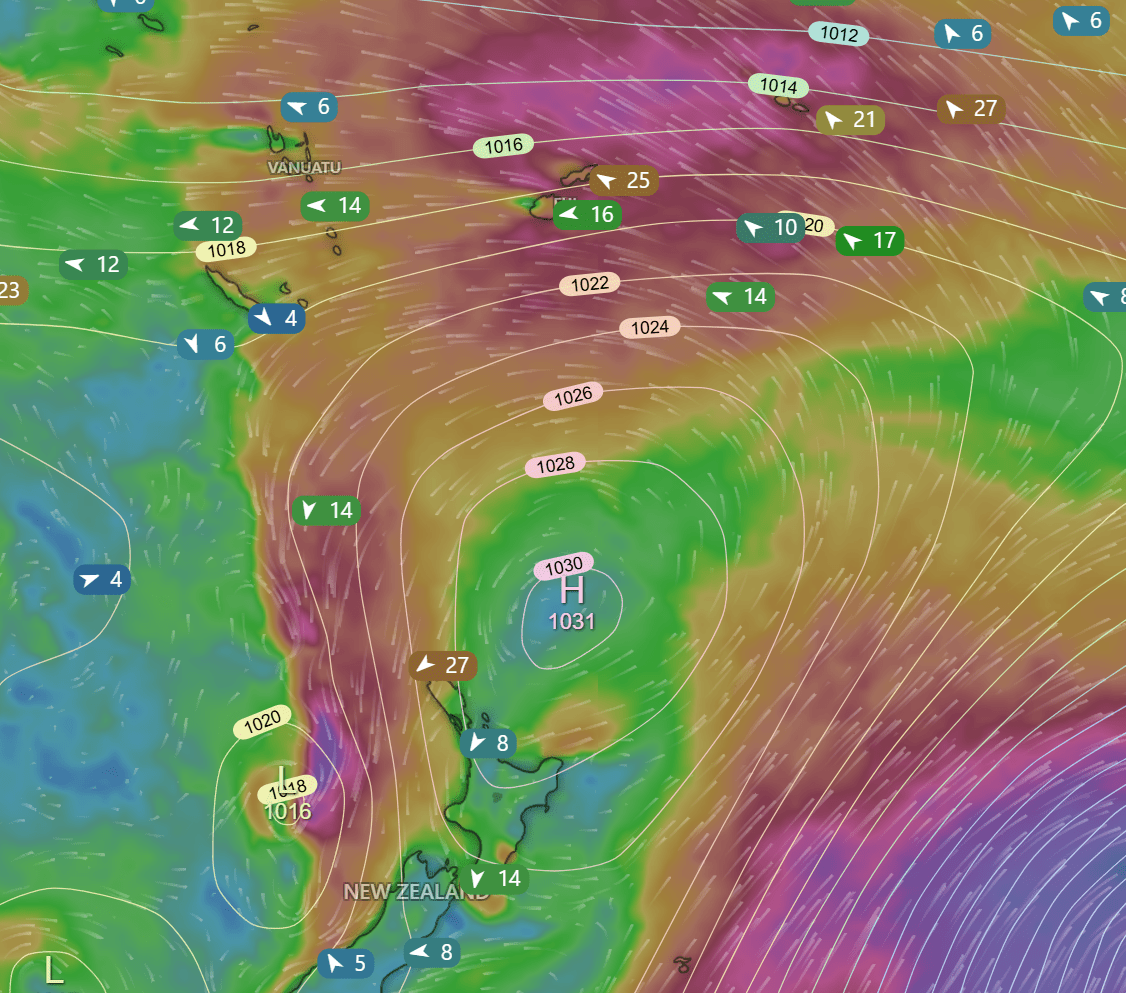
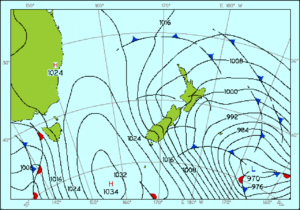
By May, the South Pacific is transitioning out of cyclone season, but the subtropical ridge has not yet established itself far enough south to deliver consistent trade winds. Instead, the dominant feature is a procession of mid-latitude lows tracking east across the Tasman Sea and south of New Zealand.
These systems bring frontal boundaries, pressure gradients, and shifting wind fields. The mistake is trying to avoid them entirely. The correct approach is to time your departure relative to them.
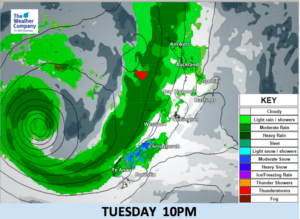
The most reliable departure window occurs after a low has passed east of New Zealand and conditions begin to stabilise behind it. At that point, the wind typically swings southwest, the barometer starts to rise, and the atmosphere becomes more predictable.
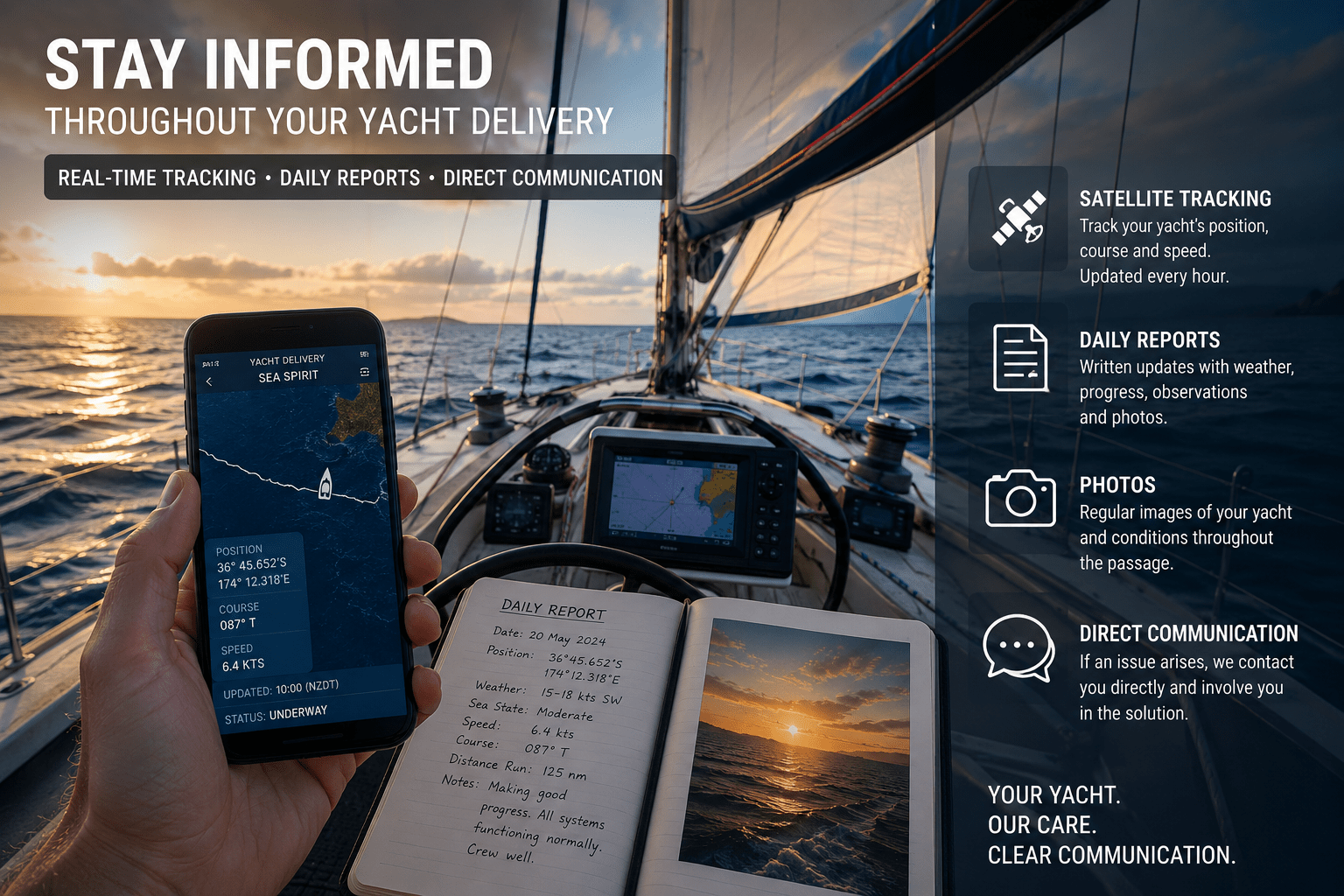
This matters because southwest flow allows a reaching or broad-reaching angle northeast toward Fiji for the critical first phase of the passage.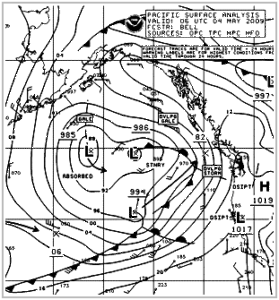 It also provides distance from the frontal zone itself, reducing the risk of being caught in strengthening northerlies or compressed seas ahead of the system. A Starlink is essential to monitor the changing weather during the passage.
Leaving too early places the yacht in pre-frontal conditions, where winds tend to build rather than ease. Leaving too late risks falling into light, disorganised airflow or being overtaken by the next low in the sequence. In May, timing is measured in hours, not days.
Most New Zealand departures are from Opua, Auckland, or Whangarei. While northern ports reduce exposure to heavy southern weather, they do not remove the need for disciplined timing.
Once committed, there are no good retreat options. That is why professional crews assess not just the departing low, but the spacing and speed of the following system. The real risk in May is not the first low you leave behind — it is the next one you might not be able to outrun.
At Yacht Delivery Solutions, we don’t just move yachts across the Pacific. We manage complex offshore passages, applying experience, conservative routing, and professional crew management to protect high-value sailing yachts throughout the South Pacific and beyond.